
Creating a home office that promotes productivity and comfort can be a game changer, especially when many people find themselves working remotely. A well-organized space not only helps reduce distractions but also keeps essential tools within reach, making workdays smoother and more enjoyable. Whether you have a dedicated room or just a small corner, these tips can help you transform your home office into a productive sanctuary.
Choose the Right Location
The first step in organizing a productive home office is selecting the right spot. Ideally, this area should be quiet and free from interruptions.
– Natural Light: Position your desk near a window if possible. Natural light boosts mood and energy.
– Away from Distractions: Avoid high-traffic areas like the kitchen or living room where noise and movement are common.
– Privacy: If family members or roommates are around, setting up in a separate room or using room dividers can help maintain focus.
Declutter Your Space
A clutter-free desk is key to clear thinking. Here’s how to keep your workspace tidy:
– Minimal Essentials: Only keep daily-use items on your desk, such as your computer, notebook, pen, and phone.
– Storage Solutions: Use drawers, shelves, or boxes to store less frequently used supplies.
– Digital Declutter: Organize your computer desktop and files regularly to avoid digital chaos.
Invest in Ergonomic Furniture
Comfort impacts productivity. Sitting for long hours requires furniture that supports your body properly.
– Ergonomic Chair: Choose a chair with adjustable height and lumbar support.
– Desk Height: Your desk should position your arms at a 90-degree angle comfortably while typing.
– Monitor Placement: Position your monitor at eye level about an arm’s length away to reduce neck strain.
Organize Your Supplies
Keeping supplies organized saves time and reduces frustration.
– Desk Organizers: Use trays, cups, or drawer dividers for pens, paper clips, sticky notes, and other small items.
– Labeling: Label drawers or containers to easily find what you need.
– Cable Management: Use clips, sleeves, or ties to keep cords neatly arranged and prevent tangles.
Set Up Proper Lighting
Good lighting reduces eye strain and keeps you energized.
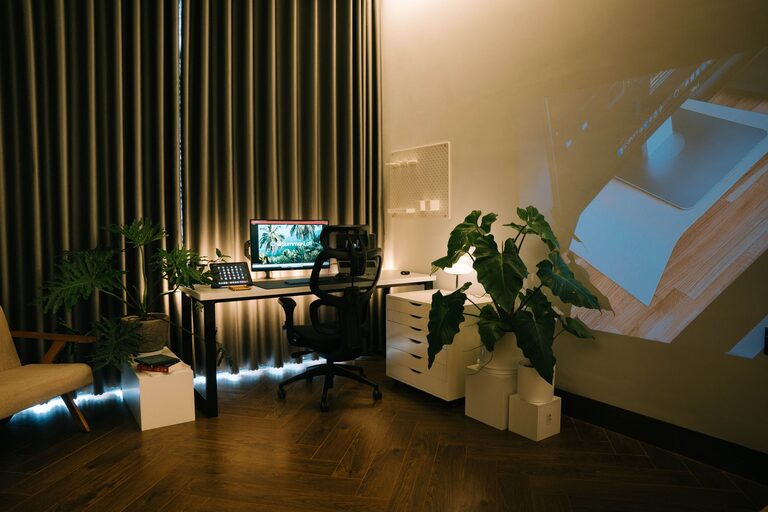
– Task Lighting: Use a desk lamp with adjustable brightness to illuminate your work area.
– Balanced Lighting: Combine natural light with overhead lighting to avoid harsh shadows.
– Color Temperature: Choose bulbs with a daylight or cool white color temperature to support concentration.
Create a Comfortable Environment
Small touches can make your workspace inviting and boost your mood.
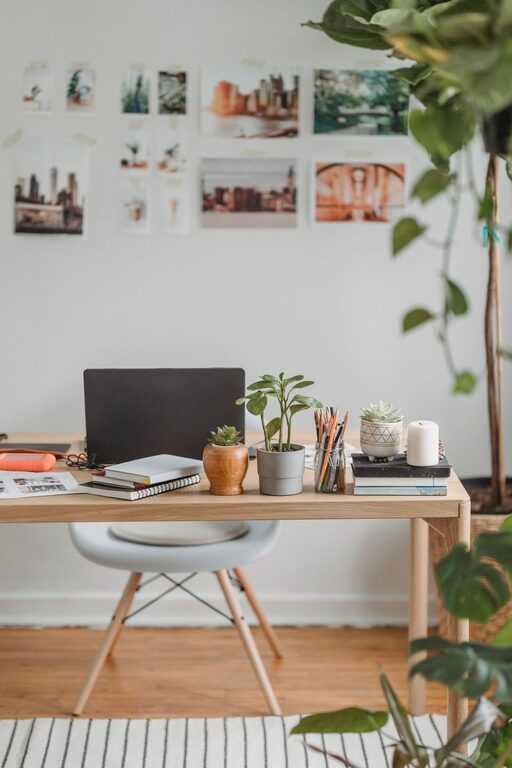
– Plants: Adding greenery can improve air quality and provide a comforting natural element.
– Personal Touches: Include photos, artwork, or inspirational quotes that make the space feel uniquely yours.
– Temperature Control: Keep the room at a comfortable temperature to stay focused.
Establish Zones for Different Tasks
If your space allows, create dedicated areas for different activities.
– Work Zone: Desk area optimized for computer work and writing.
– Reference Zone: Shelves or cabinets for books, documents, and files.
– Break Zone: A comfortable chair or spot for short breaks to recharge.
Use Technology Wisely
Technology can boost productivity if organized well.
– Docking Stations: Use a docking station for quick laptop connections to peripherals.
– Wireless Peripherals: Reduce desk clutter with wireless keyboards, mice, and headphones.
– App Organization: Use productivity apps or calendar planners to keep track of tasks and deadlines.
Keep Cleaning Supplies Handy
Regular cleaning keeps your office fresh and inviting.
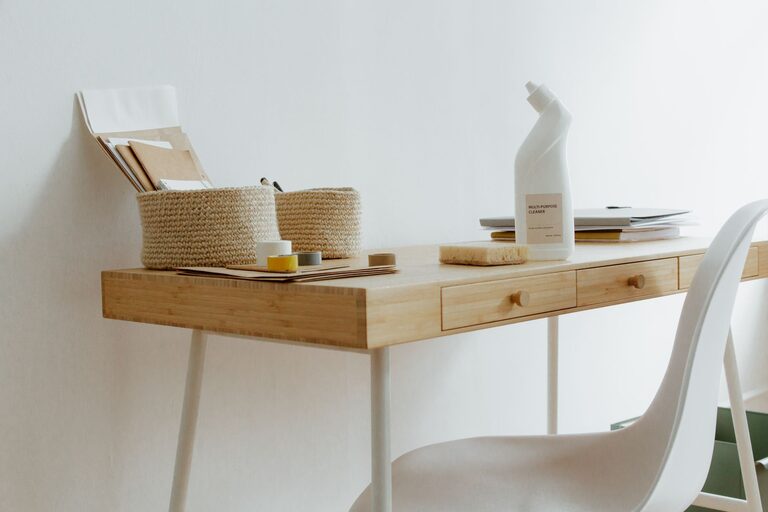
– Disinfecting Wipes: Keep wipes nearby to clean surfaces often.
– Microfiber Cloth: Use for wiping screens and dusting.
– Routine Schedule: Set a weekly time to tidy up and refresh your office.
Maintain Boundaries Between Work and Home Life
To stay productive, it’s important to clearly separate your work space from your personal life.
– Set Work Hours: Stick to a schedule like you would in an office.
– End-of-Day Routine: Shut down your computer and organize your desk before finishing.
– Separate Work Clothes: Dressing for work can mentally prepare you for productivity.
—
With these tips, you can create a home office environment that supports your workday needs and helps you feel motivated. Small adjustments in how you organize and care for your workspace can lead to big improvements in productivity and well-being. Take your time setting up the office that fits your style and work habits, and it will become a place where you enjoy spending your work hours.
About the Author