Creating a home office that is both cozy and functional can make a big difference in your workday. Whether you work from home full-time or need a dedicated spot for occasional tasks, your workspace should inspire focus while feeling comfortable. In this post, we’ll explore practical tips to help you design a home office that supports productivity without sacrificing comfort.
Choose the Right Location
Finding the perfect space for your home office is the first step. Consider areas of your home that offer:
– Natural light: A well-lit space improves mood and reduces eye strain.
– Privacy: Choose a spot away from high-traffic areas to minimize distractions.
– Enough space: Make sure there’s room for your desk, chair, and storage needs.
If you don’t have a separate room, a quiet corner or a section of the living room or bedroom can work well.
Invest in Comfortable and Ergonomic Furniture
Since you may be spending several hours at your desk, comfort is key. Look for:
– Ergonomic chair: Supports good posture and reduces back pain.
– Adjustable desk: Allows you to sit or stand according to your preference.
– Proper desk height: Keeps your wrists and elbows in a natural position.
Adding a footrest or cushioned floor mat can also help enhance comfort during long work sessions.
Organize for Efficiency
Clutter can be a major distraction. Creating an organized workspace helps you stay focused and efficient.
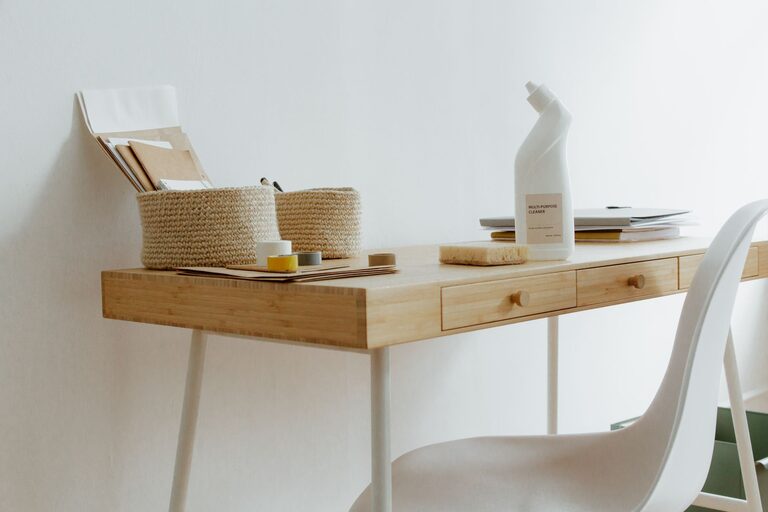
– Use storage solutions: Shelves, filing cabinets, and drawer organizers keep essentials within reach but out of sight.
– Designate zones: Have specific spaces for computer work, paperwork, and supplies.
– Keep it tidy daily: Spend a few minutes each day clearing your desk to maintain a clean environment.
Digital organization matters too. Manage your computer files and emails for a streamlined workflow.
Personalize with Cozy Touches
A warm and inviting space encourages you to spend time in your office and feel at ease.
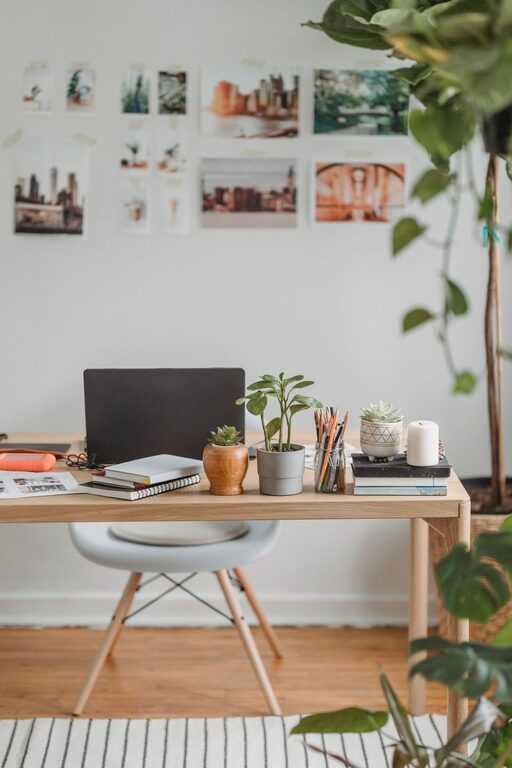
– Add textiles: A soft rug, comfortable chair cushion, or throw blanket can make the room feel cozier.
– Bring in plants: Greenery not only improves air quality but also adds life and calm to your office.
– Include artwork or photos: Personal touches motivate and boost creativity.
Just be mindful not to overdecorate—aim for a peaceful balance between personality and professionalism.
Optimize Lighting
Good lighting reduces eye strain and helps keep you alert.
– Natural light: Position your desk near a window but avoid glare on your screen.
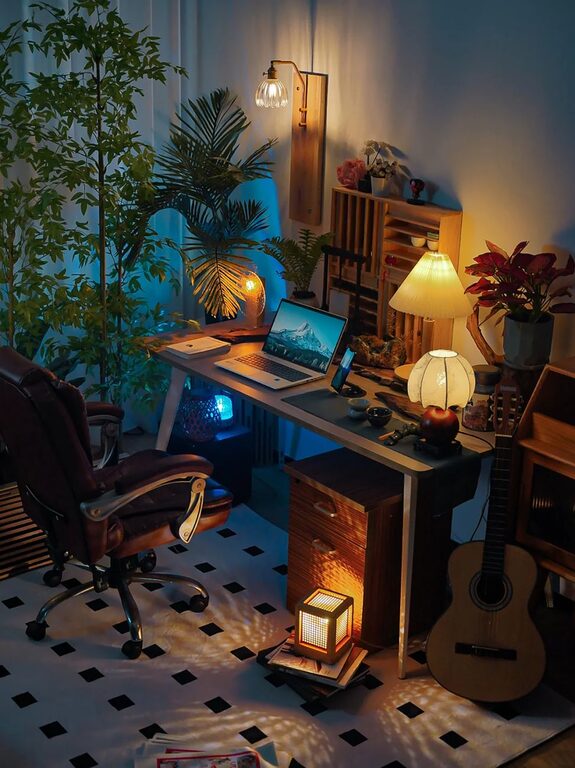
– Task lighting: Use an adjustable desk lamp for focused illumination.
– Ambient lighting: Soft overhead lights or lamps create a warm atmosphere without harshness.
Remember that the right combination of lighting makes your space feel both functional and inviting.
Manage Noise and Distractions
A quiet environment supports concentration, but sometimes home noises are unavoidable.
– Use noise-canceling headphones: These can block out background sounds and create a more focused workspace.
– White noise machines or apps: They provide consistent sound that masks distractions.
– Set boundaries: If possible, communicate with household members about your work hours to reduce interruptions.
Creating a calm auditory environment helps maintain your productivity.
Incorporate Technology Thoughtfully
Technology is essential in a home office but can create clutter or stress if not managed well.
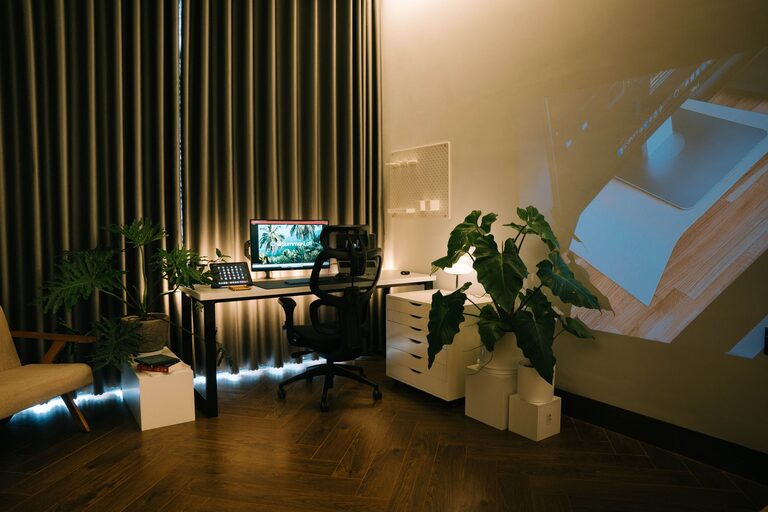
– Cable management: Use clips or sleeves to keep cords organized and out of the way.
– Reliable equipment: Invest in a good quality computer, printer, and internet connection for smooth workdays.
– Ergonomic accessories: Consider items like a separate keyboard and mouse or a monitor stand to improve comfort.
Regularly backing up your work and updating software also keeps your office running efficiently.
Create a Routine and Use Your Space Wisely
Finally, a cozy and functional office is about how you use it.
– Stick to work hours: Having set times helps separate work from personal life.
– Take breaks: Step away from your desk to stretch or refresh your mind.
– Keep your workspace for work: Avoid using it for unrelated tasks to maintain a strong work mindset.
Your office should encourage productivity and well-being, not add stress.
—
Building a home office that is both cozy and functional doesn’t have to be complicated. By choosing the right location, investing in comfortable furniture, staying organized, adding personal touches, optimizing lighting and noise levels, and managing technology well, you can create a workspace that supports your best work. With these tips, your home office can become a place you enjoy spending time in every day.
About the Author