Creating a cozy and inviting home office space is more important than ever as many people continue to work from home. Whether you have an entire room to dedicate or just a small corner, your workspace should be comfortable, functional, and inspiring. A well-designed home office can improve your focus, reduce stress, and make work feel more enjoyable.
In this post, we’ll explore practical tips to help you create a home office that feels inviting and cozy without sacrificing productivity.
1. Choose the Right Location
Selecting the right spot for your home office is the first step toward creating a comfortable space. Ideally, find a quiet area away from household distractions. If possible, choose a spot with plenty of natural light, such as near a window.
– Consider privacy: If you share your home with others, try to set up in a room with a door you can close.
– Good lighting: Natural light helps reduce eye strain and lifts mood. If natural light isn’t available, invest in quality task lighting.
2. Invest in Comfortable Furniture
Your furniture choices impact how productive and comfortable you will be throughout the day.
– Ergonomic chair: Look for a chair with adjustable height and lumbar support to protect your back.
– Spacious desk: Choose a desk large enough to accommodate your computer, paperwork, and office supplies, while fitting the space comfortably.
– Add flexibility: Consider a sit-stand desk or an adjustable setup that allows you to change positions.
3. Personalize Your Space
Adding personal touches makes your office uniquely yours and can boost your mood.
– Artwork and photos: Hang pictures or art that inspire or relax you.
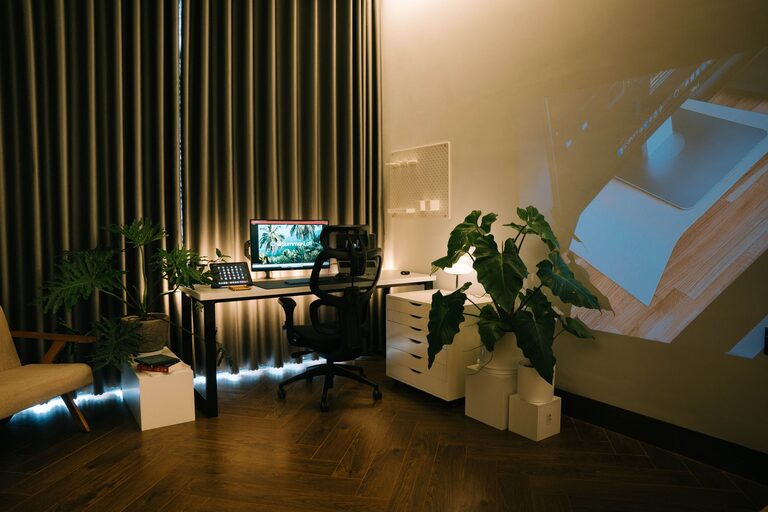
– Plants: Adding greenery improves air quality and makes the space feel lively.
– Decor: Use cozy items like soft rugs, cushions, or curtains in calming colors to create a warm atmosphere.
4. Organize Efficiently
A clutter-free workspace enhances focus and reduces distractions.
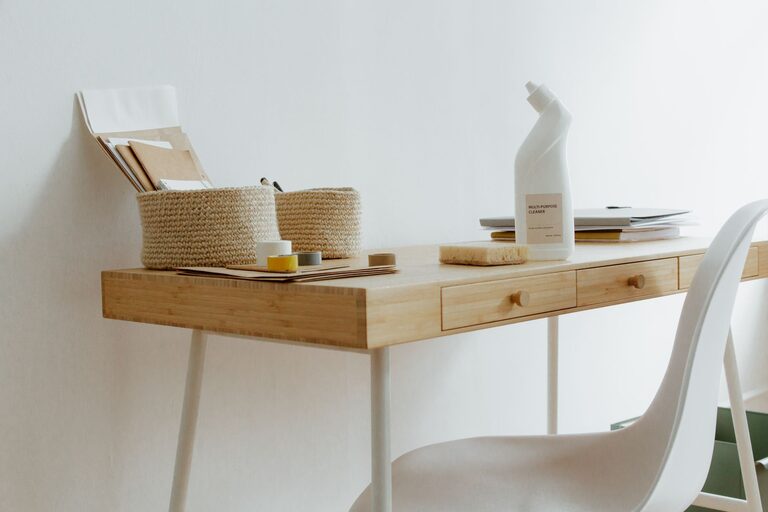
– Storage solutions: Use shelves, drawers, or baskets to keep supplies tidy.
– Desk organizers: Tray organizers, pen holders, and filing systems keep necessary items accessible.
– Cable management: Use clips or covers to keep cords neat and prevent tangling.
5. Control Your Lighting
Good lighting reduces eye strain and helps you maintain energy.
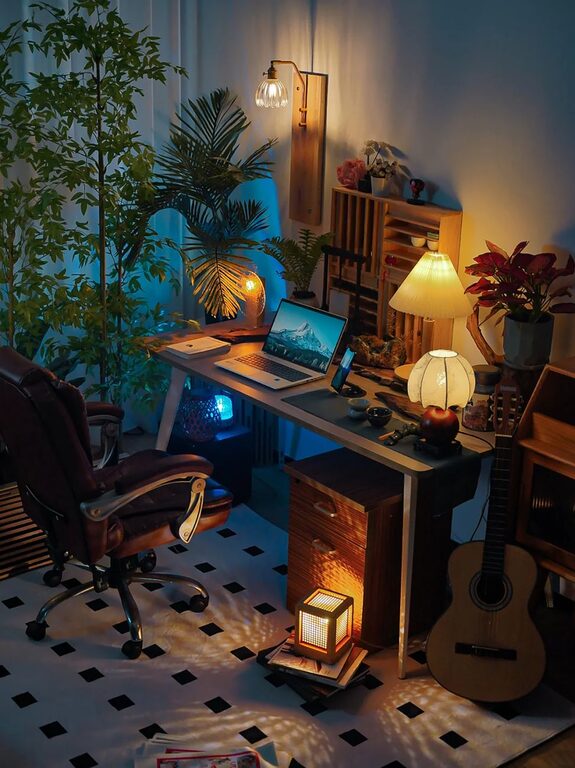
– Layer lighting: Use a combination of overhead lights, desk lamps, and indirect lighting to avoid harsh shadows.
– Adjust brightness: Choose bulbs with adjustable brightness or color temperature to suit different times of day.
– Place lights strategically: Position task lighting where you do detailed work without causing glare on screens.
6. Manage Noise Levels
Noise distractions can disrupt your concentration, so find ways to minimize them.
– Soft furnishings: Rugs, curtains, and cushions absorb sound and reduce echo.
– Noise-canceling headphones: Useful if you can’t avoid background noise.
– White noise or background music: Some find that gentle background sounds help maintain focus.
7. Use Calming Colors
The colors in your office affect mood and productivity.
– Soft neutrals: Shades like beige, soft gray, or pale blue promote calmness.
– Accent colors: Add pops of color using accessories or wall art to energize without overwhelming.
– Avoid overly bright or harsh colors: These can cause stress or distraction over time.
8. Keep Technology Smarter, Not More Complicated
Equipping your office with the right tools helps you stay productive without cluttering your space.
– Quality equipment: Invest in a reliable computer, printer, and other gadgets that suit your needs.
– Wireless devices: Minimize cords by using wireless keyboards, mice, and headphones.
– Cable management: As mentioned earlier, keep cables out of the way to maintain a clean look.
9. Make Time for Breaks in Your Space
Design your office with breaks in mind to encourage regular rest.
– Comfortable spot: Include a cozy chair or small lounge area for stretching or reading.
– Visual break: Position your desk so you can look outside or at something calming when taking breaks.
10. Maintain Your Space
A welcoming office requires care and upkeep.
– Daily tidying: Spend a few minutes at the end of each day putting things away.
– Regular decluttering: Every few weeks, clear out items you no longer need.
– Refresh decor: Swap out linens, artwork, or accessories with the seasons to keep the space feeling fresh.
—
Creating a cozy and inviting home office takes thoughtful planning and personal touches. By focusing on comfort, organization, lighting, and aesthetics, you can build a workspace that helps you feel your best and work more efficiently. Start with small changes and enjoy the process of turning your office into a place you look forward to spending time in every day.
About the Author